Inner Orbits
Inner and outer connect.

(How to add to iPhone Home Screen)
Or get it for desktop: Windows · macOS
Inner Orbits is a study reference for thirteen planets — Sun, Moon, Mars, Mercury, Jupiter, Venus, Saturn, Rahu, Ketu, Uranus, Neptune, Pluto, and Chiron — showing where each one sits in the sky right now and how the Vedic tradition reads its current state.
It is not a horoscope. Nothing to type in. No birth date, no location, no questions to answer. Whatever Inner Orbits shows you, it shows to everyone on earth at the same moment — because the sky is the same sky wherever you are.
Inner Orbits has two faces. The left side is the planet as astronomy sees it: longitude, motion, dignity, synodic cycle, barycentric position. The right side is the planet as the tradition sees it: its Inner Dialogues, the thoughts that move the planets, drawn from the Brihat Parashara Hora Shastra, an ancient work of astrology.
The Living Sky
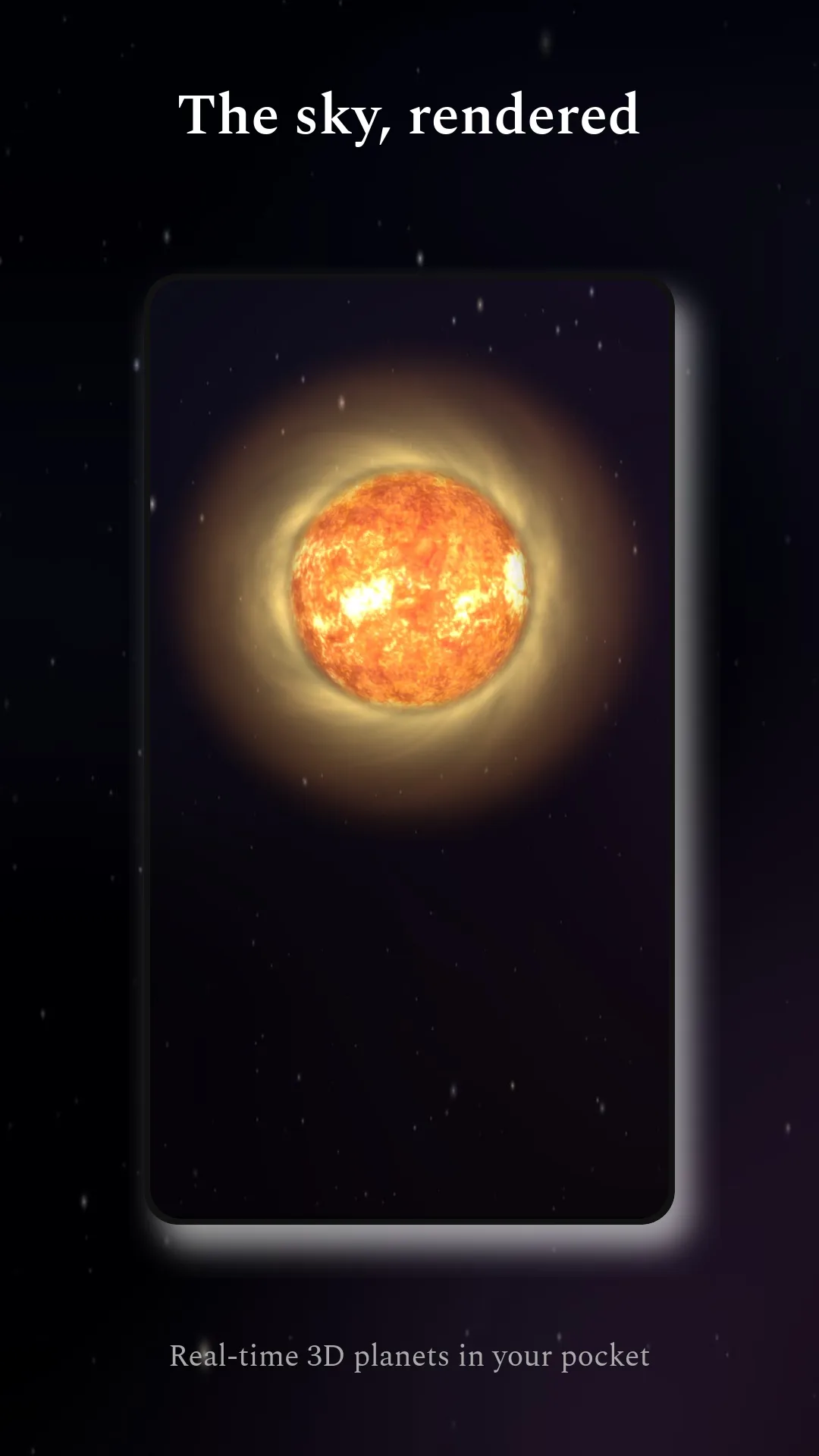
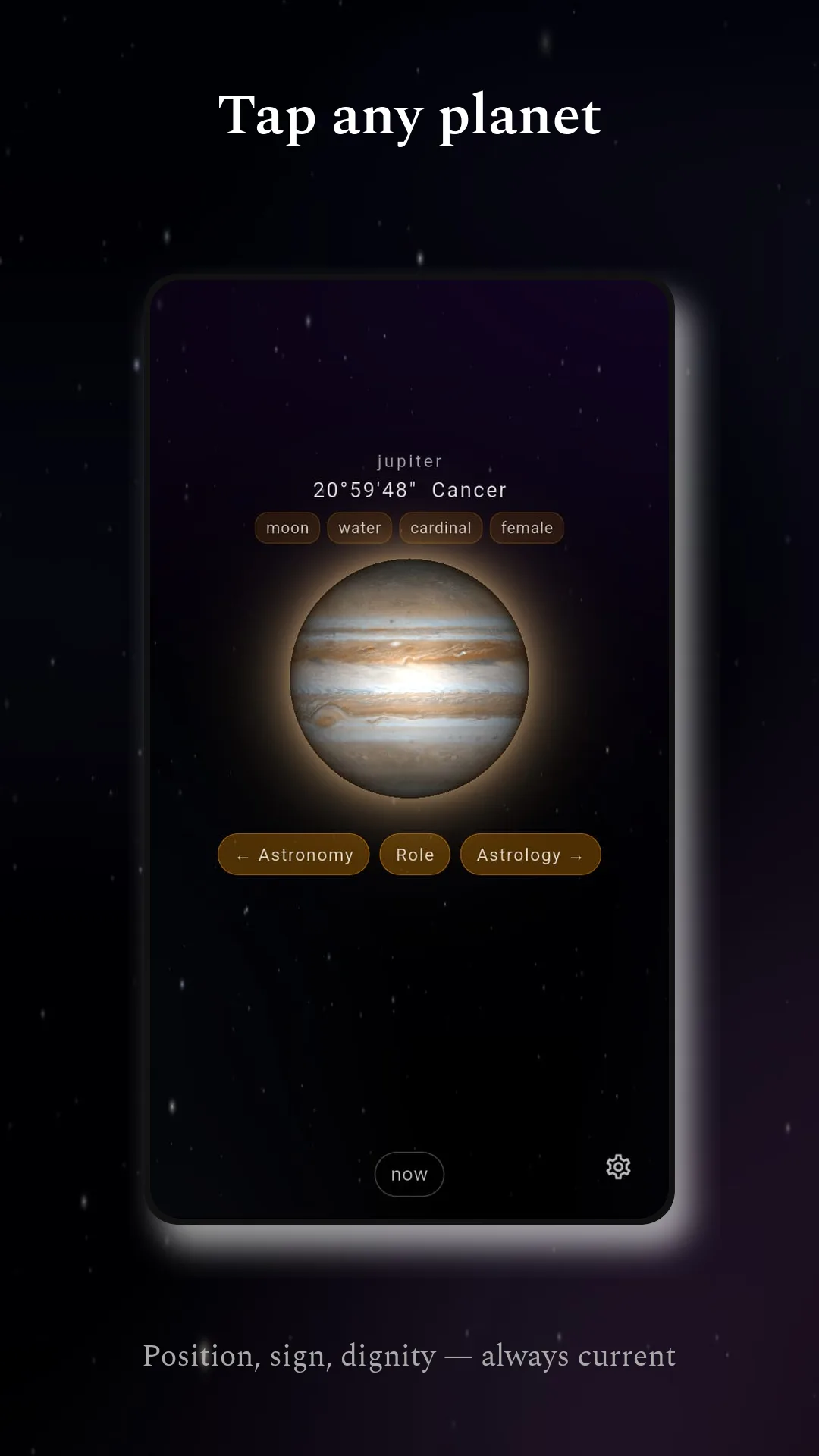
Inner Orbits opens to a vertical sky of thirteen planets, the Sun in focus. Each planet is rendered live in its own GPU shader — light, phase, and stars shifting — so the sky on your screen is the sky overhead. Scroll to find any planet. Tap to read it.
Inner Dialogues
Every planet, at every moment, has an inner dialogue that determines how it feels about itself, and thus how it acts. A planet that is supported sees the world one way. A planet that is starved sees it another. These are not predictions about you; they are descriptions of the planet itself — how it is feeling, what it is thinking, what kind of action it is inclined toward. Inner Orbits shows you these states as they are right now and explains what each one means.
Astronomy
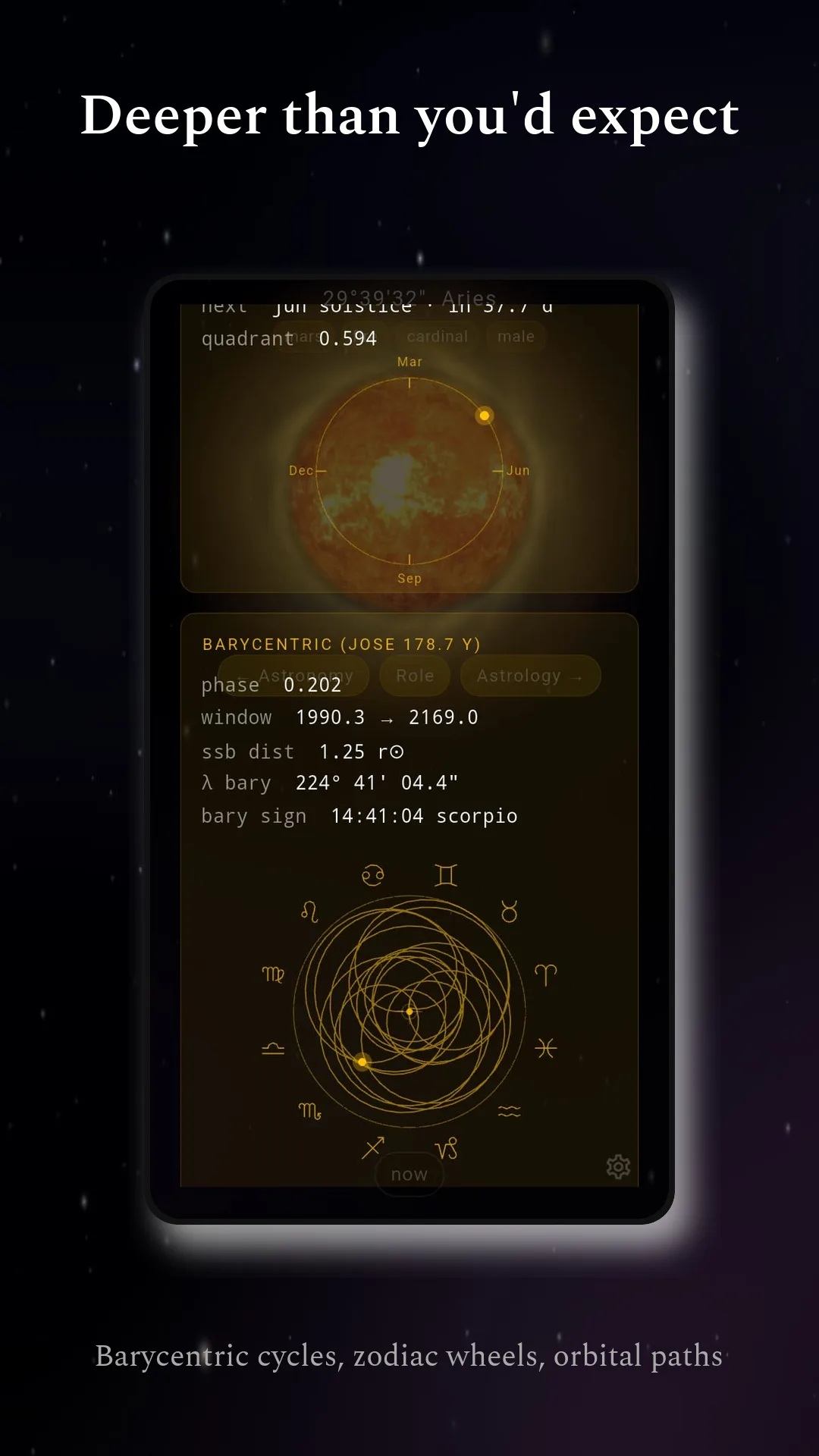
Each planet opens to a full astronomy panel: ephemeris data, motion and speed, synodic cycles, and for the Sun, barycentric oscillation traced over the Jose cycle. The Moon includes Pañcāṅga — tithi, nakshatra, yoga, and karana. Venus shows its pentagram and synodic pattern. Jupiter and Saturn show their trigon cycle.
Reference Frames
Inner Orbits reads positions in three coordinate systems: tropical (the equinox-based zodiac), sidereal (the fixed-star zodiac), and the twelve Adityas (the Vedic embodiments of the sun’s universal love). Choose your frame; switch freely. Sidereal supports 47 ayanamsa calibrations, covering the major Vedic schools and the historical reconstructions used by professional astrologers.
The Art
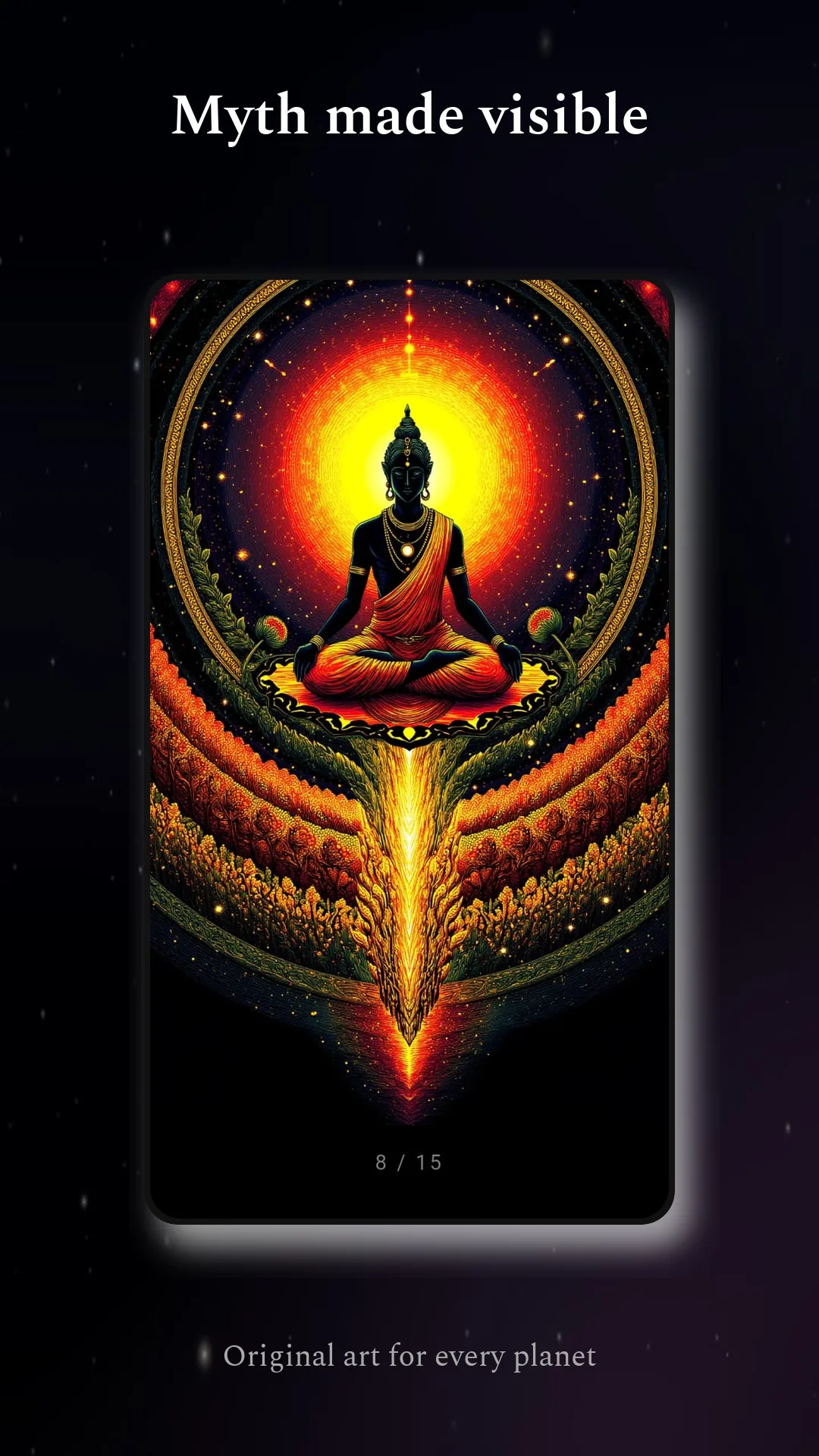
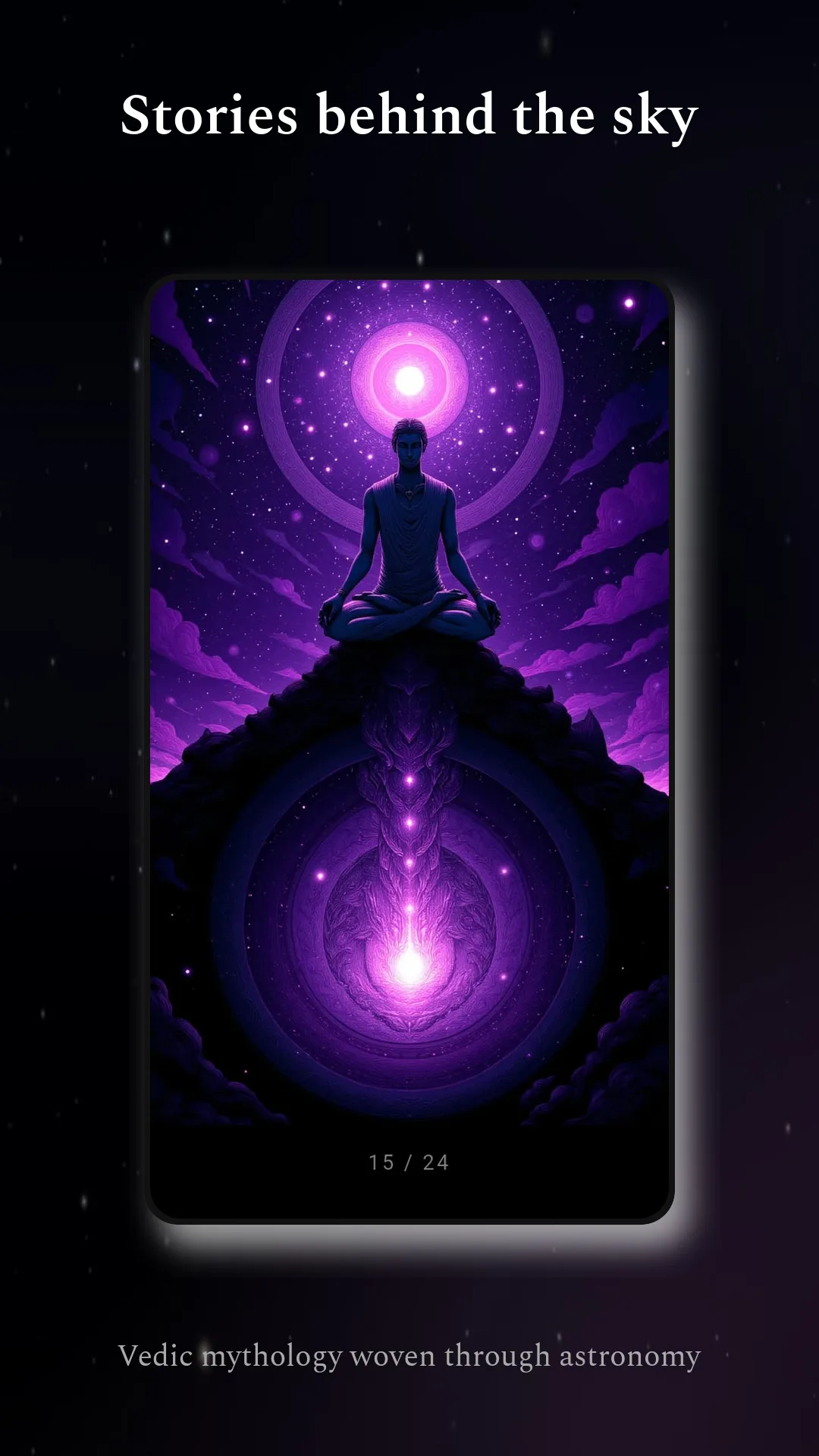
Hidden behind every planet is a slideshow of original artwork — twelve to eighteen images per planet, each crafted for that planet alone. Long-press a planet to find them.
Accuracy
Calculations use the Swiss Ephemeris — the same precision engine used by professional astronomers. No internet required. No location required.
What You Get
- The thirteen-planet sky, scrollable and live
- The Sun and Moon panels — full astronomy and full Inner Dialogues
- Long-press art slideshow for the Sun
- Full astronomy and Inner Dialogues for all thirteen planets
- Choose your reference frame — tropical, sidereal, or Aditya
- All per-planet art slideshows
- Set any date and time — past or future — and see what the sky was doing then
- Set your preferred planetary order
Source
The Inner Dialogues are drawn from the Brihat Parashara Hora Shastra, where they bear the name “lajjitaadi avasthas”. Their presentation was informed by the teachings of Ernst Wilhelm, whose work develops this material into a usable contemporary system. The interpretation given here is our own.
About
Inner Orbits is made by Ninth House Studios. It is free-as-in-freedom software, licensed under the AGPL-3.0.
Aditya Glyphs
The twelve Aditya glyphs used in Inner Orbits and Sunflare are available for download.
(How to add to iPhone Home Screen)
Or get it for desktop: Windows · macOS